01
Persistent inflammation
Chronic wounds stall in an unresolved inflammatory state, preventing the transition to tissue regeneration.

Inspired by Evolution · Engineered for Healing
Prolyra is a platform biotechnology company building a new class of smart immunomodulatory biomaterials. Our lead program, Alevyra™, is engineered for localized immunomodulation and wound microenvironment remodeling to support skin repair — based on a Chemokine Sink approach that selectively binds and sequesters pro-inflammatory chemokines at the wound interface.
Platform
Chemokine Sink
Lead
Alevyra™
IP
Provisional filed
IP status
Provisional patent application filed
The Problem
Chronic wounds often remain trapped in a state of persistent inflammation. Instead of progressing through the normal phases of repair, these wounds stall — caught in a cycle where inflammatory signals continue to damage tissue rather than resolve it.
Existing wound care addresses infection control, moisture balance, offloading, and wound coverage. Yet even with optimal standard care, many wounds fail to close because the underlying inflammatory signaling remains dysregulated.
Excess inflammatory chemokines can perpetuate tissue damage and prevent progression toward repair. These signaling molecules, which normally coordinate healing, become counterproductive when their concentrations remain elevated at the wound interface.
Prolyra's platform is designed to address this challenge locally at the wound interface — modulating the microenvironment to help the natural repair process resume.
Chronic wounds stall in an unresolved inflammatory state, preventing the transition to tissue regeneration.
Elevated chemokine levels perpetuate tissue damage and block orderly progression toward repair.
Without resolution of the inflammatory signal, the wound cannot advance through the normal healing phases.
Inspired by Evolution
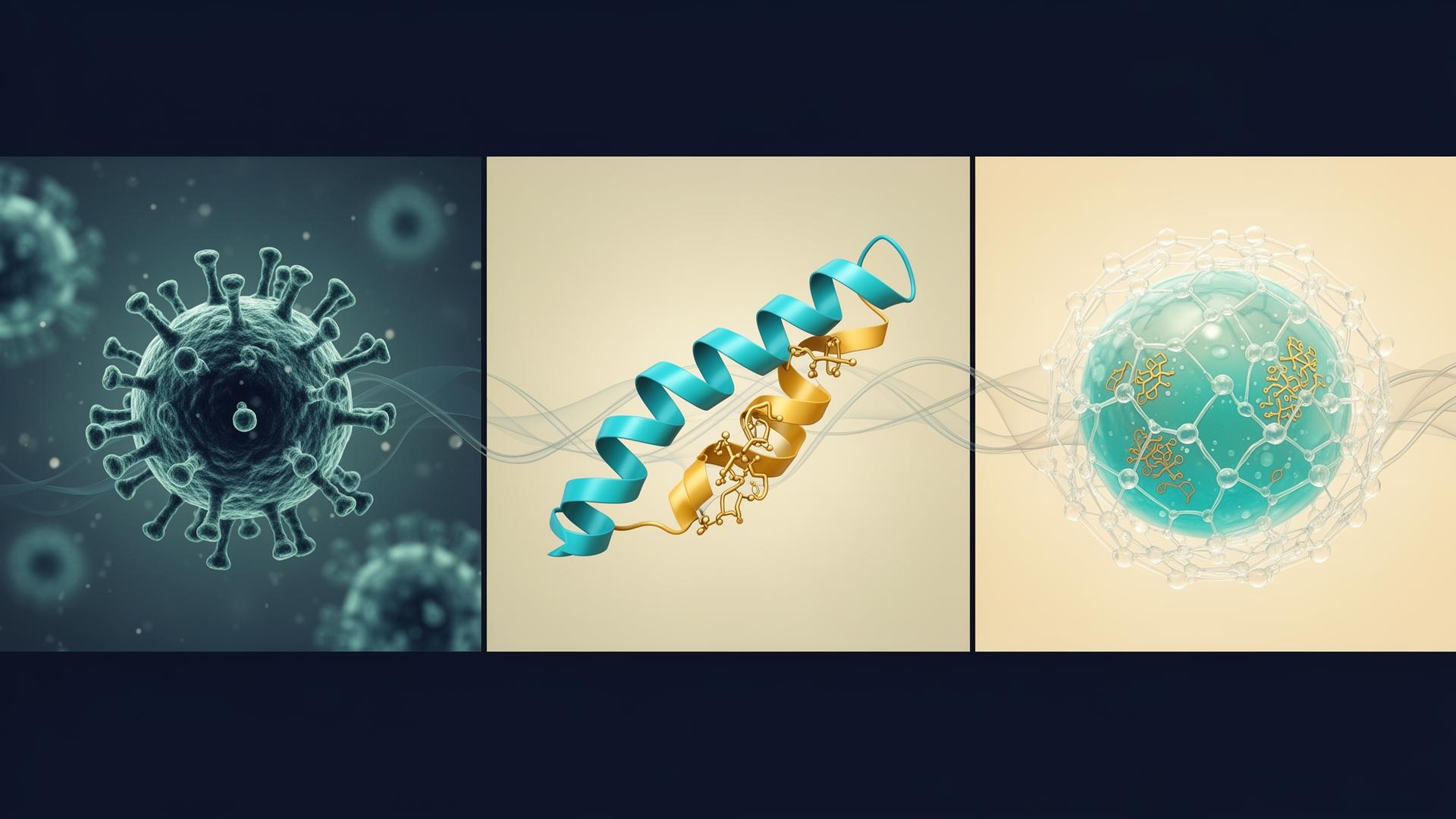
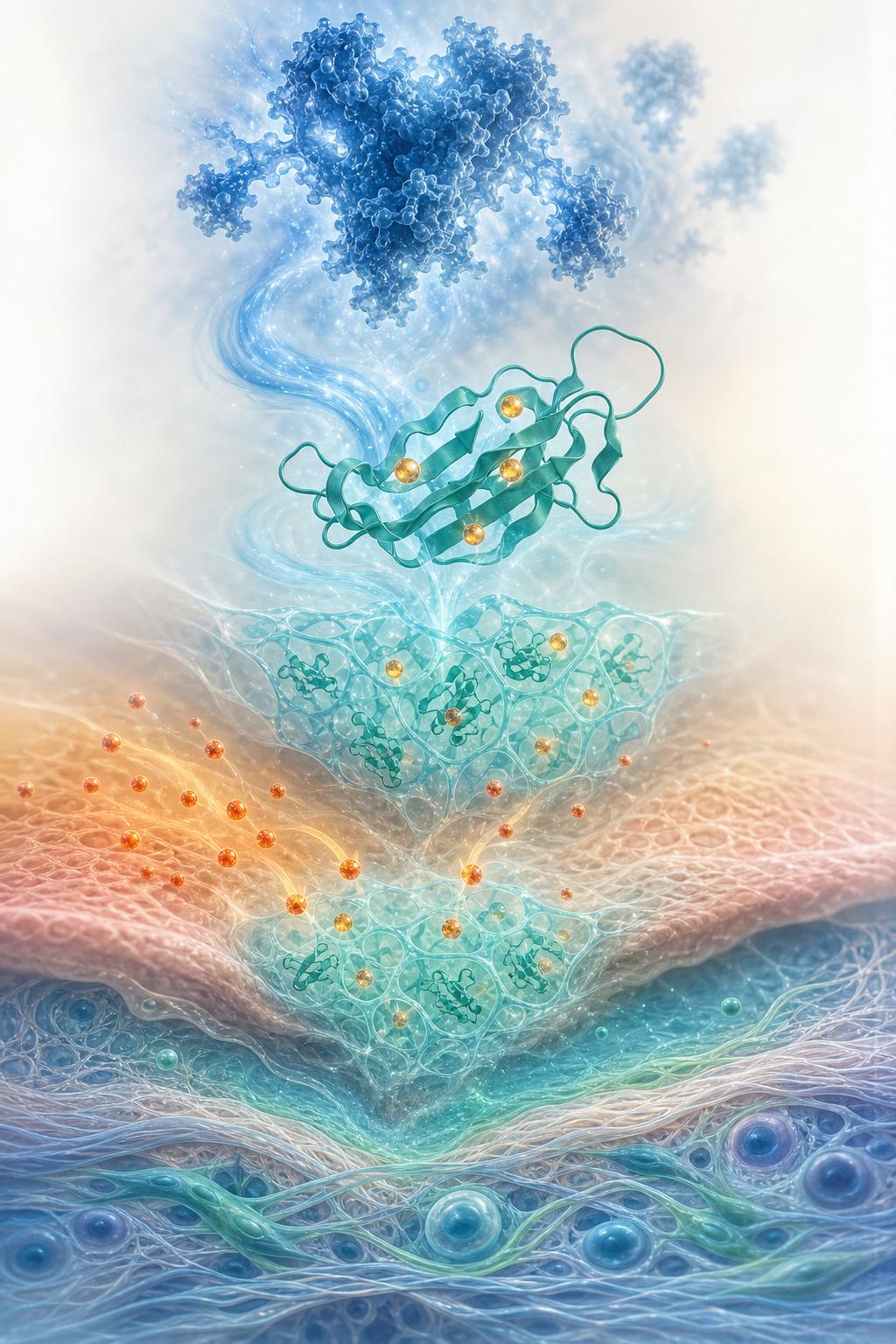
Over millions of years, viruses have evolved sophisticated mechanisms to modulate immune signaling — quietly intercepting the chemical messengers that orchestrate inflammation in order to persist within their hosts.
Prolyra draws on these naturally evolved systems as a source of biological design principles. By studying how nature has already solved the problem of localized immune regulation, we engineer biomaterials that translate those principles into precise therapeutic tools.
We are not simply developing another hydrogel dressing. Our broader vision is to build a new class of smart immunomodulatory biomaterials — platforms capable of sensing and reshaping local inflammatory environments to support tissue repair across a range of clinical settings.
Nature
Viral proteins demonstrate how chemokine signaling can be intercepted with exquisite specificity.
Biological design principles
We translate these natural strategies into modular components that regulate inflammation by design.
Engineered platform
Immunomodulatory function is embedded into a biomaterial platform tunable for distinct wound environments.
The Science
In chronic and complex wounds, excess inflammatory signaling can perpetuate tissue damage and prevent repair from progressing. Our lead program, Alevyra™, is being developed as a localized chemokine sink — a wound-contact biomaterial designed to selectively bind and sequester pro-inflammatory chemokines directly at the wound interface, with the goal of reshaping the local microenvironment to support healing.
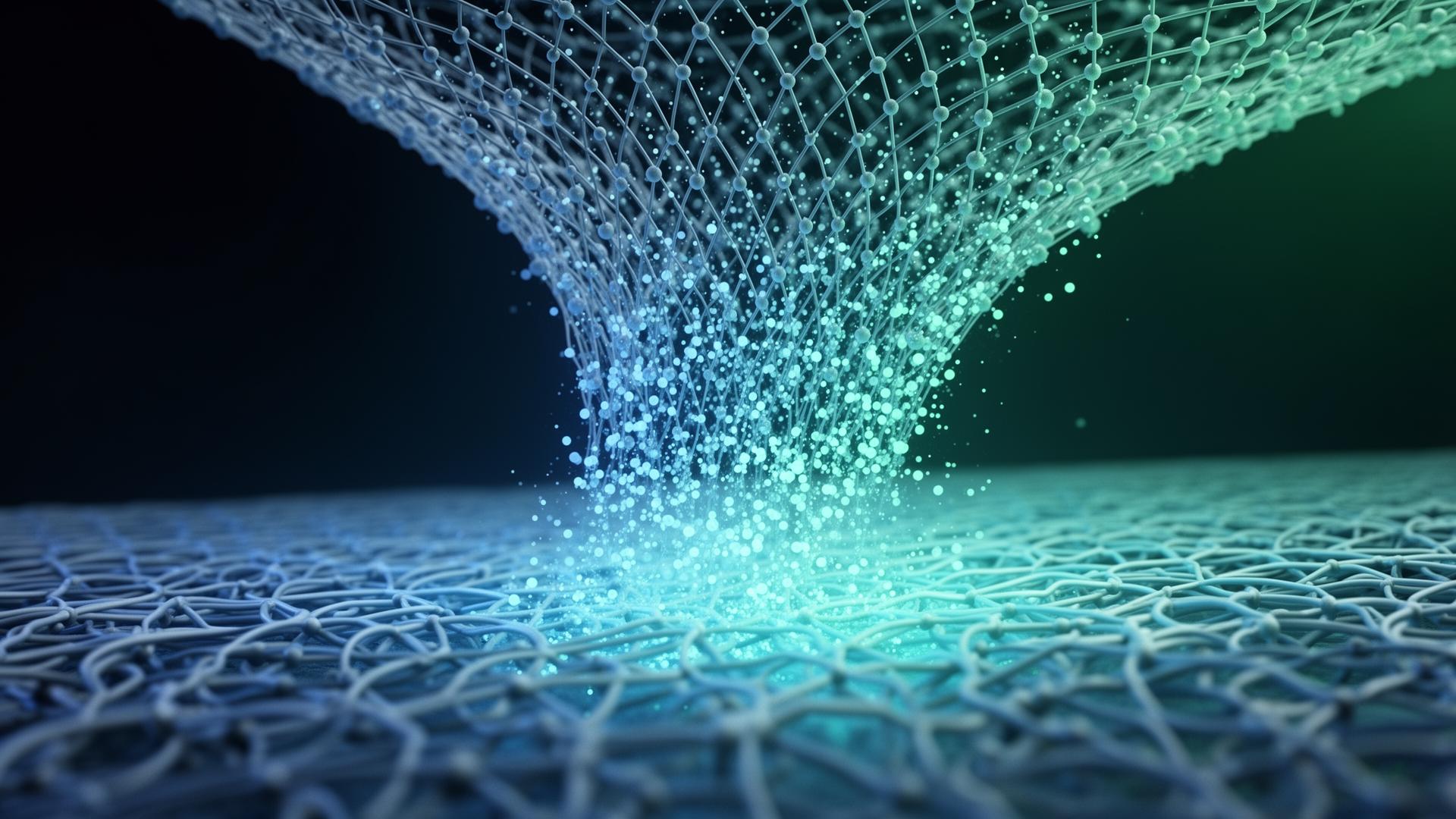
Elevated levels of pro-inflammatory chemokines at the wound interface can sustain a chronic inflammatory state, disrupting the orderly progression of tissue repair.
Alevyra™ incorporates engineered binding motifs intended to capture and retain target chemokines locally, addressing the signal at its source rather than systemically.
By reducing excess inflammatory signaling at the wound interface, the platform aims to help shift the local microenvironment toward a state more permissive for repair.
Mechanism described above reflects intended design and preclinical research goals. No claims of clinical safety or efficacy are made.
How Alevyra™ Works
A four-step sequence describing the intended mechanism of our lead program, Alevyra™, at the wound interface — from physical retention to selective molecular capture and downstream microenvironment effects.
Steps describe the intended mechanism of action under active preclinical investigation. No claims of clinical safety or efficacy are made.
Target Indications
Diabetic foot ulcers are the initial focus of our preclinical program. The platform may have future applicability across additional localized inflammatory wound indications, including burns, venous leg ulcers, pressure injuries, and other chronic wound environments.
What We Are Building
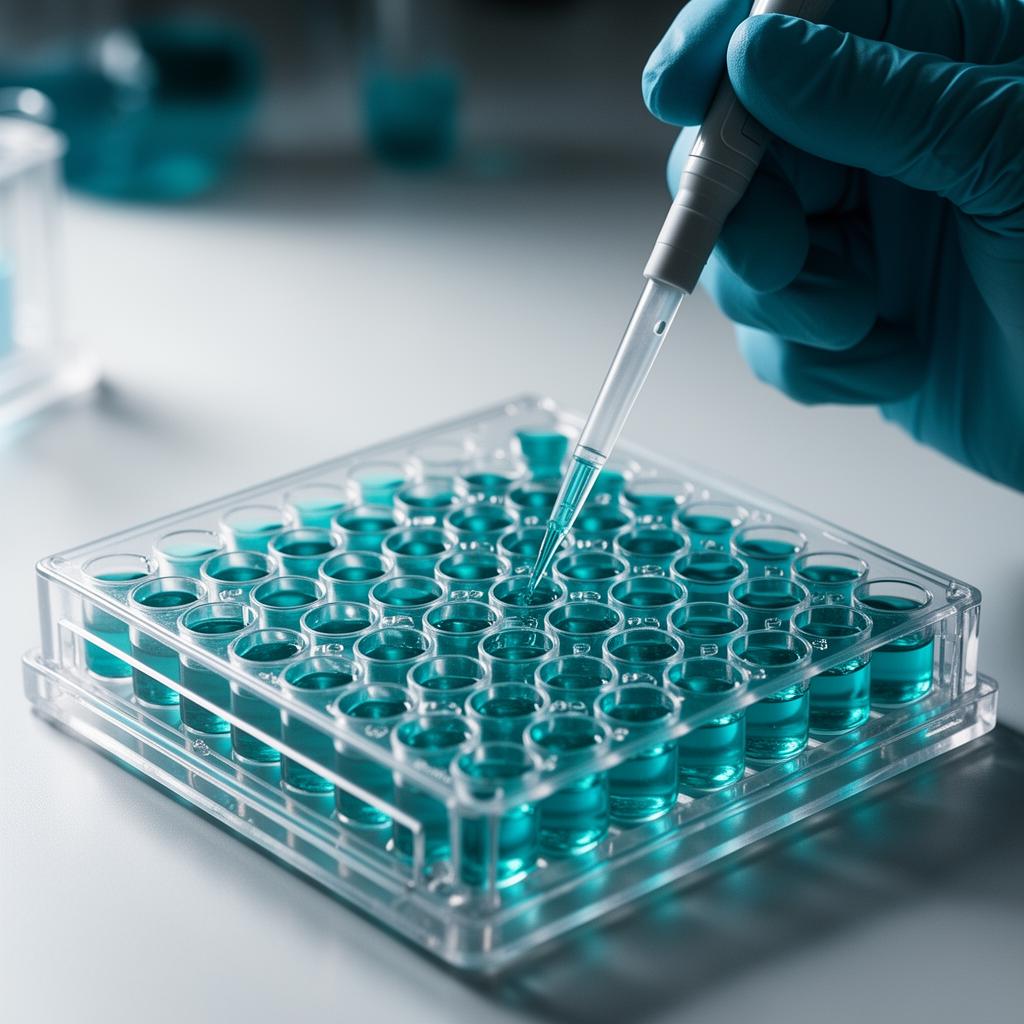
Our preclinical workstreams advance the platform from engineered protein production through hydrogel formulation to functional capture assays — building a pipeline of tunable immunomodulatory materials applicable across localized inflammatory interfaces.

Team
Prolyra is led by a multidisciplinary founding team combining expertise in immunology, biomaterials, platform therapeutic development, regulatory strategy, and commercialization.
Prolyra is building an advisory network of experts in wound healing, biomaterials, translational medicine, regulatory affairs, and biotechnology commercialization.
Why Now?
Modern protein design and expression tools now make it practical to produce highly specific binding proteins at scale.
Advanced hydrogel and scaffold formulations can precisely control release, retention, and mechanical properties at the wound interface.
A deeper understanding of chemokine networks has revealed how localized signal modulation can shift the microenvironment toward repair.
Together, these advances make it possible to design therapeutic materials that actively reshape the wound microenvironment — rather than simply cover and protect wounds.
Platform Vision
Prolyra is a platform biotechnology company inspired by biological design principles. The company is translating a founder-discovered biological mechanism into a scalable technology platform—building a new class of smart immunomodulatory biomaterials with chronic wound repair as the initial application and a pathway into additional localized inflammatory indications.
Contact
For investor, scientific or partnership inquiries, email us directly or use the form.